
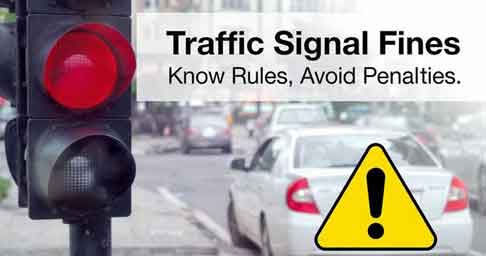
Traffic signal fines are penalties imposed on drivers who fail to follow traffic light rules at road intersections. These fines are introduced to ensure road discipline, protect pedestrians, and reduce accidents caused by reckless driving. When drivers ignore traffic signals, they create dangerous situations for themselves and others. Signal violations are among the most common traffic offenses in urban areas.
With increasing vehicle numbers, traffic authorities rely heavily on fines to enforce compliance. Modern surveillance systems now detect violations automatically, making it difficult to escape penalties. Understanding traffic signal fines is essential for every driver who wants to avoid legal trouble and drive responsibly.
What Is a Traffic Signal Violation?
A traffic signal violation happens when a driver disobeys the instructions shown by traffic lights. This includes crossing a red signal, stopping beyond the stop line, blocking pedestrian crossings, or moving during a red light. Such actions disrupt traffic flow and increase the risk of collisions.
Traffic signals exist to manage traffic safely at intersections. Ignoring them can cause serious accidents, especially in crowded cities. Authorities treat signal violations as serious offenses because even one mistake can endanger multiple lives at a busy junction.
Common Types of Traffic Signal Fines
The most common traffic signal fine is for jumping a red light. This occurs when a vehicle crosses the stop line after the signal turns red. Another frequent violation is stopping over the zebra crossing, which blocks pedestrian movement and violates safety rules.
Blocking free left turns, illegal U-turns at signals, and ignoring pedestrian signals are also punishable offenses. In many cities, cameras record even minor violations. These systems ensure that fines are issued fairly and consistently without manual interference.
Traffic Signal Fine Amounts and Penalties
Traffic signal fine amounts vary depending on the location, type of vehicle, and severity of the offense. In many regions, red signal jumping attracts a heavy fine and penalty points on the driving license. Repeated violations may lead to license suspension or higher penalties.
Some states increase fines for repeat offenders or violations during peak hours. These penalties are designed not just to punish, but to discourage unsafe driving habits. Knowing fine amounts helps drivers understand the seriousness of traffic signal violations.
How Traffic Signal Violations Are Detected
Modern traffic systems use advanced technology to detect signal violations. High-resolution CCTV cameras, automatic number plate recognition systems, and AI-based monitoring tools track vehicle movements at intersections. These systems record clear evidence of violations. Once detected, an electronic challan is generated automatically. The details are linked to the vehicle registration number and uploaded to official databases. This process improves transparency and reduces chances of false accusations or corruption.
How to Check and Pay Traffic Signal Fines Online
Checking and paying traffic signal fines online is simple and convenient. Drivers can visit the official traffic challan portal and enter their vehicle number or challan number. The system displays violation details, fine amount, and payment options instantly. Online payment methods include UPI, debit cards, credit cards, and net banking. After payment, a digital receipt is generated for future reference. Paying fines online saves time and avoids visiting traffic police offices.
Why Paying Traffic Signal Fines on Time Is Important
Paying traffic signal fines on time helps avoid additional penalties and legal complications. Unpaid fines may attract late fees or legal notices. In some cases, unpaid challans can cause issues during vehicle registration renewal or insurance claims. Timely payment also keeps your driving record clean. This is important for maintaining a good driving history and avoiding stricter action from authorities. Responsible drivers always clear fines promptly and follow traffic rules consistently.
How to Avoid Traffic Signal Fines
The best way to avoid traffic signal fines is by strictly following traffic rules. Always stop before the stop line when the signal is red. Pay attention to signal timers and pedestrian crossings. Avoid rushing through yellow lights, as they often turn red quickly. Driving patiently and responsibly reduces stress and prevents accidents. Keeping yourself updated on traffic rules and penalties also helps. Safe driving habits not only save money but also protect lives on the road.
Importance of Traffic Signal Fines in Road Safety
Traffic signal fines play a crucial role in improving road safety. They discourage reckless behavior and promote disciplined driving. When drivers know that violations are monitored closely, they become more cautious at intersections. The ultimate goal of traffic signal fines is accident prevention. Safer intersections lead to smoother traffic flow and reduced congestion. Every driver’s cooperation helps build a safer and more efficient road system.
Conclusion
Traffic signal fines are an essential part of traffic management and road safety enforcement. They help maintain discipline, reduce accidents, and encourage responsible driving behavior. With digital monitoring and online payment systems, compliance has become easier than ever. By understanding traffic signal rules and fines, drivers can avoid penalties and contribute to safer roads. Awareness, patience, and discipline are key to responsible driving in today’s fast-moving traffic environment.
🔗 Official Traffic Fine Payment Portal (India):
Check Online (Parivahan Website): CLICK HERE
Check Online (Kerala Police): CLICK HERE
Check Online (Get Chellan Details): CLICK HERE
Conclusion
Traffic signal fines are an essential part of modern traffic management systems. They help enforce rules, reduce accidents, and promote responsible driving. With digital monitoring and online payment systems, compliance has become easier and more transparent. By understanding traffic signal fines and following road rules, drivers can avoid penalties and contribute to safer roads. Awareness, patience, and discipline are key to responsible driving in today’s fast-moving traffic environment.
Best App to Book Cheap Flight Tickets & Hotels